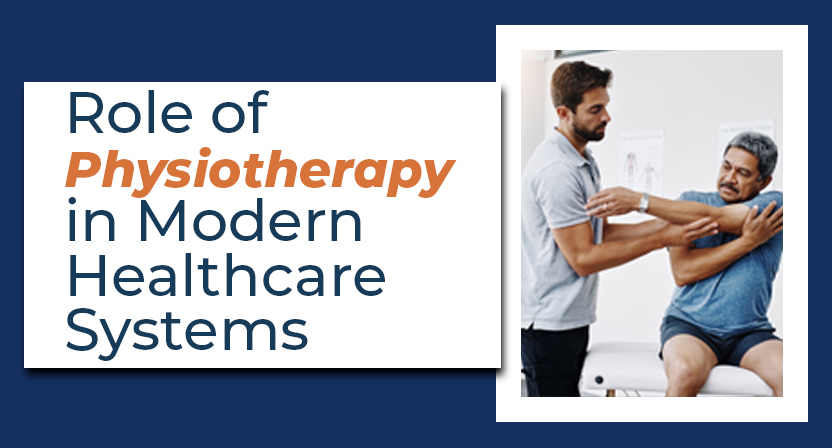
Physiotherapy plays an important role in modern healthcare. Physiotherapy in healthcare focuses on helping people move better, stay active, and recover physical function during medical care.
Physiotherapy does not replace doctors or nurses. Instead, it works alongside them. While doctors treat illness and nurses manage daily care, physiotherapy focuses on movement, strength, and physical ability.
Modern healthcare looks beyond medicines and surgery. Patients also need to regain mobility and independence. Physiotherapy supports this by working within healthcare systems, not outside them. This is why physiotherapy is part of organised allied health education and hospital care models
The role of physiotherapy in modern healthcare systems is to support physical recovery and daily function.
Physiotherapists help patients by:
Physiotherapy in healthcare systems supports patients during:
Doctors focus on diagnosis and treatment. Nurses manage continuous care. Physiotherapy supports how well a patient moves and functions during this process. This role is part of the wider allied health system that supports medical care and recovery
Physiotherapy works through teamwork.
In healthcare teams:
Physiotherapists share updates on a patient’s physical progress. This helps teams plan care and decide the next steps. This team-based approach reflects how modern healthcare professionals are trained across allied and paramedical fields
Physiotherapy is used across hospitals, clinics, and rehabilitation centres.
In hospitals, physiotherapists:
In rehabilitation settings, physiotherapy:
In outpatient care, physiotherapy:
Across all settings, physiotherapy in healthcare ensures physical function is not ignored during medical care.
Modern physiotherapy practices are based on research and patient needs.
Today, physiotherapy focuses on:
Technology also supports modern physiotherapy. Digital records and progress tracking help maintain care quality and follow-up.
These practices match how physiotherapy is taught in current clinical education programs
Physiotherapy is essential because movement affects recovery and independence.
Without physiotherapy:
Healthcare systems include physiotherapy to manage these risks. This improves overall care quality and patient outcomes.
Physiotherapy becomes especially important when movement affects recovery.
This often happens during:
Physiotherapy referrals come through healthcare teams. This ensures care stays safe and aligned with medical goals.
Many people think physiotherapy is only for sports injuries. This is not true.
Physiotherapy in healthcare supports:
Another misconception is that physiotherapy works alone. In reality, it is part of allied health services and works closely with doctors and nurses.
Physiotherapy supports movement, recovery, and physical function during medical care.
It works with doctors and nurses to improve patient recovery and mobility.
To assess movement and support safe physical recovery.
To improve and maintain physical function.
It helps prevent movement loss and supports recovery.
Through teamwork, shared care plans, and clear communication.
They are evidence-based, patient-focused, and outcome-driven.
In hospitals, rehabilitation, outpatient care, and long-term support.
Physiotherapy is a key part of modern healthcare systems.
It supports movement, recovery, and independence. It works alongside doctors and nurses to improve patient care.
By including physiotherapy in healthcare, systems treat both illness and physical function. This leads to better and more complete care.